Keep Birds From Nesting Where They Do Not Belong
Wildlife Solutions and Trapping provides bird prevention services that stop pigeons, sparrows, and other species from nesting on ledges, vents, and roof structures in Long Beach, California.
Wildlife Solutions and Trapping helps property owners prevent birds from building nests in areas that create noise, mess, and structural damage. You may have noticed droppings on walkways, feathers collecting in gutters, or birds returning repeatedly to the same eave or vent. Once birds establish a nesting site, they return year after year, and their droppings can corrode metal, stain wood, and block drainage systems. Bird prevention uses physical barriers and deterrents to make these areas unsuitable for nesting before the problem becomes persistent.
Birds choose nesting sites based on shelter, proximity to food, and protection from predators. Ledges, roof corners, open vents, and gaps under solar panels all provide the flat, covered surfaces that birds prefer. Pigeons and sparrows are particularly persistent in urban and coastal areas like Long Beach, where food sources are abundant and building designs offer many sheltered perches. Prevention work involves installing netting, spikes, or sloped barriers that make it physically impossible for birds to land or nest. Vent covers and mesh screens are used to block entry into attics and wall cavities where birds sometimes nest inside the structure.
If birds are starting to gather on your property or you want to prevent nesting before it begins, contact Wildlife Solutions and Trapping to review which barriers will work for your building.
Redondo Beach, CA 90278
Hours
- Mon - Sun
- -
Phone
How Bird Prevention Systems Are Installed
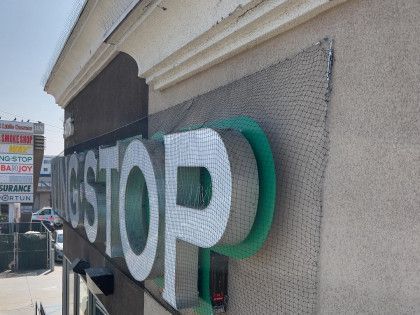
You begin with an evaluation of where birds are landing, roosting, or nesting. This includes checking roof edges, HVAC units, signage, awnings, and any horizontal surface that provides a foothold. The goal is to identify high-traffic areas and choose the right deterrent for each location. Spikes work well on narrow ledges. Netting is used for larger open areas such as loading docks or covered patios. Sloped panels prevent birds from gaining a stable perch on flat surfaces.
Once the plan is set, Wildlife Solutions and Trapping installs the barriers using fasteners, adhesive, or tensioned cable systems depending on the surface and exposure. You will see that birds no longer land on treated ledges, and nesting materials do not accumulate in previously used spots. Droppings stop building up on walkways below, and vents remain clear and functional. The materials used are weather-resistant and designed to last for years without maintenance.
Some bird species are protected by federal or state regulations, so removal of active nests may require permits or timing restrictions. Prevention work does not include nest removal or bird trapping, but it does ensure that once birds are gone, they cannot return to the same location. If birds are nesting inside attic vents or soffits, those openings are sealed after the birds have left to prevent reentry.
What You Should Know About Bird Prevention
Homeowners and business operators often want to understand what methods are most effective and how long installation takes.
What types of birds are most common in Long Beach?
Pigeons, house sparrows, and starlings are the most frequent nuisance species, all of which nest on buildings and produce large amounts of droppings.
How do bird spikes work?
Spikes create an uneven surface that prevents birds from landing or gaining balance, which forces them to move to another location.
When is the best time to install bird prevention systems?
The most effective time is before nesting season begins in early spring, but systems can be installed any time birds are not actively nesting.
Why do birds return to the same spot every year?
Birds have strong site fidelity and will continue using a location that has provided successful nesting in the past unless it is physically blocked.
What happens if a nest is already present?
Active nests may need to remain until young birds fledge, depending on the species and local wildlife regulations, after which the area can be secured to prevent return.
To stop birds from nesting on your building and keep surfaces clean and clear, reach out to Wildlife Solutions and Trapping for a site evaluation and installation plan in Long Beach.