
Stop Rodents Before They Settle Into Your Property
Wildlife Solutions and Trapping offers rodent prevention services designed to keep mice and rats out of homes and businesses in Redondo Beach, California.
Wildlife Solutions and Trapping provides rodent prevention services that target the specific entry points and conditions that allow mice and rats to move into your property. You may have noticed droppings along baseboards, gnaw marks on food packaging, or scratching sounds inside walls at night. These signs indicate that rodents are either already inside or testing your building for access. Rodent prevention focuses on closing those access points, removing attractants, and creating barriers that stop animals from entering in the first place.
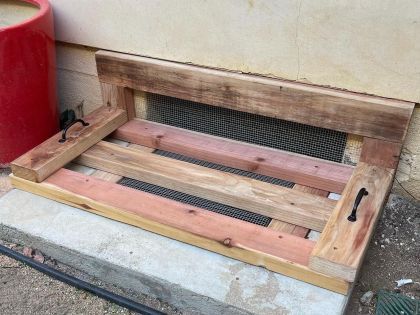
Mice can squeeze through openings as small as a dime, and rats can fit through gaps the size of a quarter. They follow scent trails, warmth, and food sources. Once inside, they chew through insulation, wiring, and stored materials. Prevention work involves inspecting the exterior of your structure for cracks in foundation walls, gaps around utility lines, deteriorated weather stripping, and unsealed vents. In Redondo Beach, older homes near the coast often have small gaps where stucco meets the foundation or where crawl space vents have rusted through. These are common entry zones that require sealing with metal mesh, cement, or weatherproof materials that rodents cannot chew through.
If you want to keep rodents out without relying on traps or bait stations after the fact, reach out to discuss a prevention plan that fits your property.
Redondo Beach, CA 90278
Hours
- Mon - Sun
- -
Phone
What Happens During a Rodent Prevention Service
What Happens During a Rodent Prevention Service
You start with a full property inspection that covers the roofline, foundation, garage, crawl space, and any outbuildings. The goal is to identify every potential entry point and assess what is drawing rodents to the area. This includes checking for gaps around pipes, missing vent screens, damaged door sweeps, and openings where tree branches touch the roof. Each vulnerable spot is documented so that the sealing work can be methodical and complete.
After the inspection, Wildlife Solutions and Trapping seals identified entry points using materials suited to the location and the type of gap. Metal hardware cloth is used for vents and larger openings. Copper mesh works well around pipes because it conforms to irregular shapes and resists chewing. Gaps in stucco or wood siding are filled with rodent-proof sealant or patched with metal flashing. You will notice that doors close more tightly, vents are covered with durable screens, and there are no longer visible gaps along the foundation or roofline where animals could push through.
Prevention also includes managing conditions that attract rodents. This means identifying food sources such as unsecured trash, pet food left outdoors, or fruit that has fallen from trees. It may involve trimming back vegetation that provides cover or relocating firewood stored against the house. The service does not include pest control chemicals or ongoing monitoring plans, but it does provide the physical exclusion work that makes your property far less accessible to rodents.
Common Questions About Rodent Prevention
Homeowners often ask how prevention differs from trapping and what to expect from the process.
What is the difference between rodent prevention and rodent removal?
Prevention focuses on sealing entry points and removing attractants before animals get inside, while removal deals with animals that are already living in your walls or attic.
How long does it take to seal a typical home?
Most residential rodent exclusion work takes between three and six hours depending on the number of openings and the complexity of the structure.
What materials are used to close gaps?
You will see metal hardware cloth, copper mesh, cement, stainless steel wool, and weatherproof sealants, all chosen because rodents cannot chew through them.
Why do rodents show up more often near the coast in Redondo Beach?
Coastal areas have mild winters and higher humidity, which supports year-round rodent activity, and older homes near the beach often have more gaps due to settling and salt air exposure.
When should prevention work be done?
The best time is before you see signs of activity, but it is still effective after an infestation has been cleared to prevent reentry.
If you are ready to close off access points and reduce the chance of rodents moving into your home, contact Wildlife Solutions and Trapping to schedule an inspection and discuss what exclusion work makes sense for your property in Redondo Beach.