Install Fencing That Keeps Wildlife Out of Specific Zones
Wildlife Solutions and Trapping installs wildlife fencing designed to exclude animals such as coyotes, raccoons, and skunks from yards, gardens, and commercial properties in Torrance, California.
Wildlife Solutions and Trapping offers wildlife fence services that create physical barriers to prevent animals from entering areas where they cause damage or pose safety concerns. You may be dealing with coyotes crossing into your yard at night, raccoons digging under sheds, or skunks denning beneath decks. Standard residential fencing is not built to stop these animals. Wildlife fencing uses specific materials, depths, and configurations that address the ways animals push, dig, climb, and squeeze through barriers.
Wildlife fencing differs from typical yard fencing in several key ways. It extends below ground level to prevent digging. Mesh or wire spacing is narrow enough to stop small animals from squeezing through. The fence height and tension are calibrated to prevent climbing by raccoons and foxes. In Torrance, where urban wildlife is common and properties often back up to open space or drainage corridors, this type of fencing is used to protect vegetable gardens, chicken coops, koi ponds, and outdoor pet areas. The materials used include galvanized welded wire, heavy-gauge mesh, treated wood posts, and steel T-posts depending on the terrain and the target species.
If you need a barrier that actually stops wildlife rather than just marking a boundary, reach out to discuss what type of fencing will work for your property and the animals you are dealing with.
Redondo Beach, CA 90278
Hours
- Mon - Sun
- -
Phone
How Wildlife Fencing Is Built Differently
You start with an assessment of the area to be fenced and the species you need to exclude. This determines the height, depth, and material specifications. For example, coyotes require a fence at least six feet tall with no horizontal rails they can use as footholds. Raccoons need a fence with a top overhang or electric offset because they are strong climbers. Skunks and rabbits require wire mesh buried at least twelve inches deep and bent outward in an L-shape to stop digging.
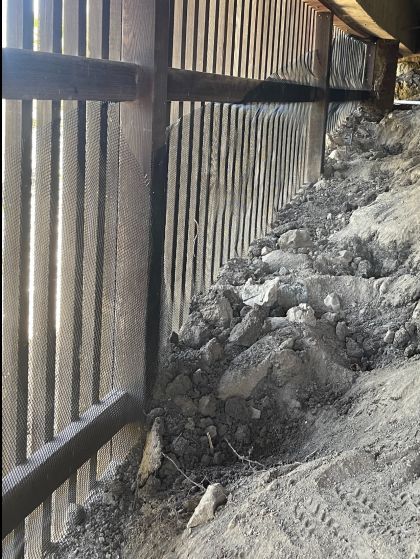
Wildlife Solutions and Trapping installs the fencing using posts set in concrete or driven deep into the ground for stability. The wire or mesh is tensioned tightly so animals cannot push through or lift the bottom edge. You will notice that the fence sits flush with the ground and extends below the soil line, and there are no gaps at gates or corners where animals could slip through. The finished barrier is solid, functional, and built to handle pressure from animals testing it repeatedly.
Wildlife fencing is not decorative and does not include privacy slats, staining, or ornamental caps. It is designed for exclusion, not aesthetics. If you need fencing around a garden, the service includes gates with secure latches. If you are protecting livestock or poultry, the fencing can be electrified or paired with buried barriers depending on the threat. The installation does not include grading, landscaping, or removal of existing fences unless it is required for the wildlife barrier to function properly.
Questions Property Owners Ask About Wildlife Fencing
People often want to know what makes wildlife fencing effective and whether it will work for the animals they are seeing on their property.
What animals can wildlife fencing keep out?
Properly installed wildlife fencing can exclude coyotes, raccoons, skunks, opossums, foxes, rabbits, and ground squirrels depending on the design and materials used.
How deep does the fence need to go underground?
Most wildlife fencing is buried twelve to eighteen inches deep with an outward-facing flange to stop digging animals from tunneling underneath.
Why is welded wire better than chain link for wildlife?
Welded wire has smaller openings that prevent animals from squeezing through, and it does not have the horizontal weave that raccoons and opossums use to climb.
What kind of maintenance does wildlife fencing require?
You should check for digging attempts along the base, look for bent or rusted sections, and make sure gates close securely, especially after heavy rain when animals are more active in Torrance.
When should wildlife fencing be installed?
Fencing should be installed before animals establish dens or feeding patterns in the area you are trying to protect, but it can still be effective after wildlife activity has been observed.
If you are ready to protect your property with fencing that is built to stop wildlife, contact Wildlife Solutions and Trapping to schedule a site visit and get a detailed plan for your property in Torrance.